class: title, center, middle # Irish Traditions and Revivals  ### Christopher Witulski, Ph.D. ### College of Musical Arts --- # Outline * Irish traditional music * Instruments and style * A revival * Another revival * Traditions now --- class: middle, center ## Ireland ### What do we know? ### What do we think of? --- class: middle, center ## Ireland .image-60[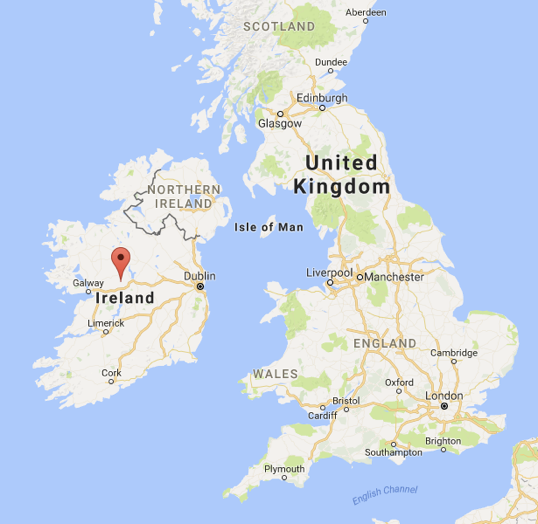] --- # Some (brief) Irish history * Small island, part of EU (size of Indiana) * Home to 6 million people, 70+ million in diaspora * Northern Ireland (“The Troubles”) * Violent struggle between Protestant majority (two thirds) and Catholic minority (one third) * Terrorism, conflicts about British control, with Britain * British martial law, at its worst in the 70s and 80s * Bloody Sunday: Jan 30, 1972 * British soldiers shot 26 unarmed protesters * Increased Catholic and nationalist support for IRA --- # Irish nationalism * Unlike Northern Ireland… * Largely Catholic (93%) * Independent since 1949, previously “Irish Free State” * Rapid emigration, especially during different periods * Led to substantial (and important) diaspora * Authenticity questions… * Imagined Ireland, tourism, “Irish Eyes are Smiling” --- # Irish traditional music * Range of styles * Traditional * Neo-traditional * Post-traditional styles * Backdrop * Formation of Irish nation and nationalism * History of oppression (Irish potato famine) and strife (“The Troubles”) * Irish diaspora and transnational flows --- class: middle, center .center[ <!-- <video width="560" height="360" controls> <source src="/assets/sinead.mp4" type="video/mp4"> <source src="/assets/sinead.ogv" type="video/ogg"> </video> --> <iframe width="560" height="315" src="https://www.youtube.com/embed/ZSLyEPeWjNk?si=GZlvK_dVfYK9e-XQ" title="YouTube video player" frameborder="0" allow="accelerometer; autoplay; clipboard-write; encrypted-media; gyroscope; picture-in-picture; web-share" referrerpolicy="strict-origin-when-cross-origin" allowfullscreen></iframe> ] ### Sinead O’Connor: "War" (1992) --- class: middle, center .center[ <!-- <video width="560" height="360" controls> <source src="/assets/bloody-sunday.mp4" type="video/mp4"> <source src="/assets/bloody-sunday.ogv" type="video/ogg"> </video> --> <iframe width="560" height="315" src="https://www.youtube.com/embed/Yv5U0A10hrI?si=3W6IGDoWy6Nsu9mN" title="YouTube video player" frameborder="0" allow="accelerometer; autoplay; clipboard-write; encrypted-media; gyroscope; picture-in-picture; web-share" referrerpolicy="strict-origin-when-cross-origin" allowfullscreen></iframe> ] ### U2: "Bloody Sunday" --- # Irish traditional music * World famous artists… * Are they examples of traditional music? * How so? Why not? * What is their image of Irish-ness? * How does that align with what you think of? --- # Irish traditional music * Five main categories * Sean nós, or “old way” songs (Irish Gaelic) * Irish harp music (harp is a national symbol) * Instrumental airs (often in free rhythm) * Songs sung in English * Instrumental dance tunes and medleys (our focus) --- class: middle, center .center[ <!-- <video width="560" height="360" controls> <source src="/assets/sean-nos-outside.mp4" type="video/mp4"> <source src="/assets/sean-nos-outside.ogv" type="video/ogg"> </video> --> <iframe width="560" height="315" src="https://www.youtube.com/embed/uOiFc5IBcyk?si=viQGjBoQ7c2Ldgzn" title="YouTube video player" frameborder="0" allow="accelerometer; autoplay; clipboard-write; encrypted-media; gyroscope; picture-in-picture; web-share" referrerpolicy="strict-origin-when-cross-origin" allowfullscreen></iframe> ] ### Brid Ní Mhaoilchiaráin: Sean nós example --- class: middle, center .center[ <!-- <video width="560" height="360" controls> <source src="/assets/celtic-harp.mp4" type="video/mp4"> <source src="/assets/celtic-harp.ogv" type="video/ogg"> </video> --> <iframe width="560" height="315" src="https://www.youtube.com/embed/I9A3-t6Gy94?si=xMsBtwhJno0-Ujun" title="YouTube video player" frameborder="0" allow="accelerometer; autoplay; clipboard-write; encrypted-media; gyroscope; picture-in-picture; web-share" referrerpolicy="strict-origin-when-cross-origin" allowfullscreen></iframe> ] ### Séamus Ó Flatharta: "Anach Cuain"/"Martin Wynne's No. 2" --- # Other "traditional" instruments .image-60[.image-float-right[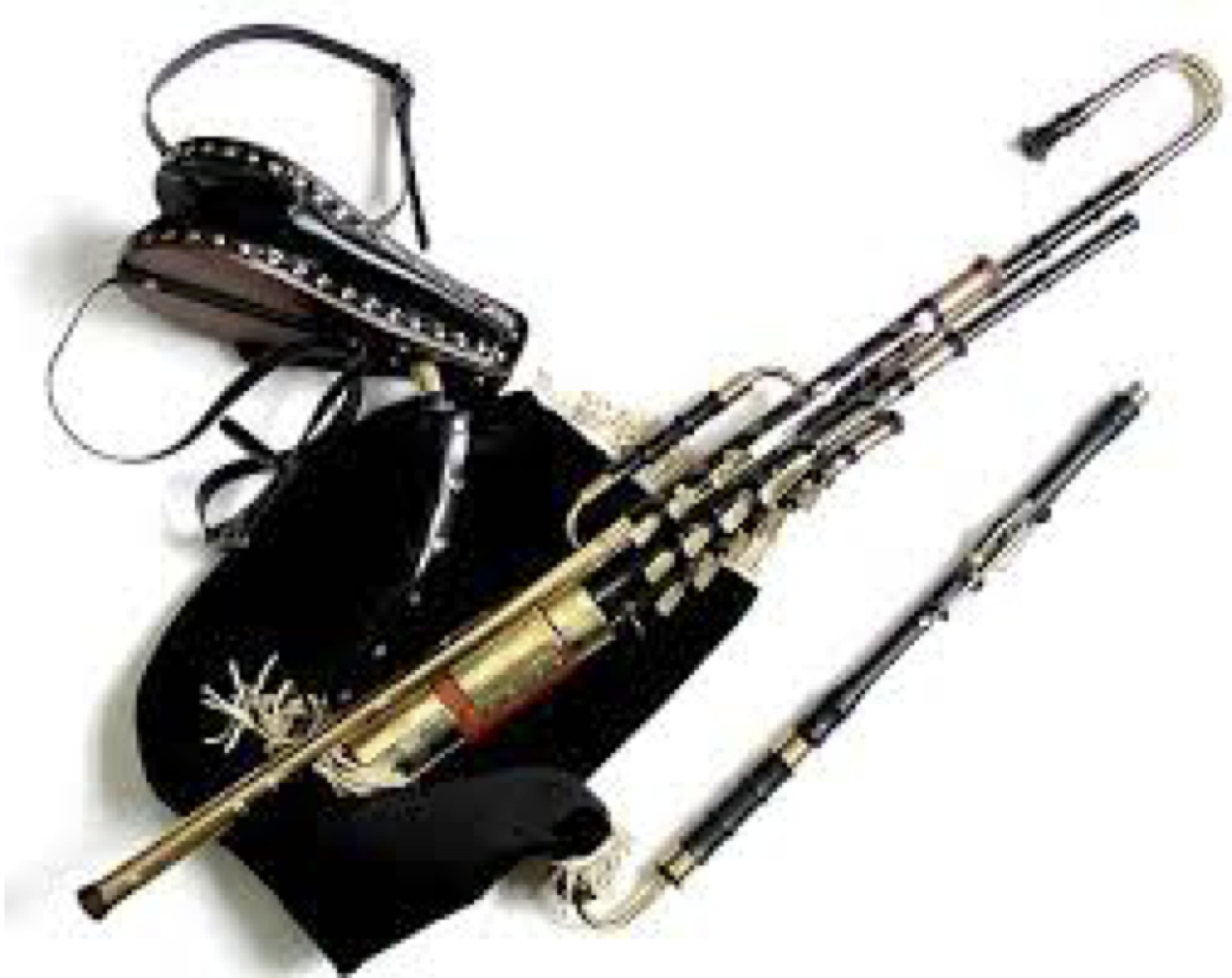]] * Violin * Uilleann pipes * Uilleann: “elbow” * Chanter * Three drone pipes * Three regulators * Bellows * Bag * Tinwhistle and wooden flute --- class: middle, center .center[ <iframe width="560" height="315" src="https://www.youtube.com/embed/Zb1K5BCtLY8?si=_EftPlVwH8jhza9v" title="YouTube video player" frameborder="0" allow="accelerometer; autoplay; clipboard-write; encrypted-media; gyroscope; picture-in-picture; web-share" referrerpolicy="strict-origin-when-cross-origin" allowfullscreen></iframe> <!-- <video width="560" height="360" controls> <source src="/assets/james-kelly-irish-fiddle.mp4" type="video/mp4"> <source src="/assets/james-kelly-irish-fiddle.ogv" type="video/ogg"> </video> --> ] ### James Kelly: Irish fiddling example --- class: middle, center .center[ <iframe width="560" height="315" src="https://www.youtube.com/embed/P40YOU8ggJk?si=ZEOwiO6_E1MmS_ns" title="YouTube video player" frameborder="0" allow="accelerometer; autoplay; clipboard-write; encrypted-media; gyroscope; picture-in-picture; web-share" referrerpolicy="strict-origin-when-cross-origin" allowfullscreen></iframe> <!-- <video width="560" height="360" controls> <source src="/assets/uilleann-pipes-example.mp4" type="video/mp4"> <source src="/assets/uilleann-pipes-example.ogv" type="video/ogg"> </video> --> ] <!-- ### Sean McKeown and Liam O'Connor --> ### Catherine Ashcroft and Maurice Dickson: "Táimse im' Chodladh"/"King of the Pipers" --- class: middle, center .center[ <iframe width="560" height="315" src="https://www.youtube.com/embed/O9a8pVGa1Mo?si=xFgjWqf1roUx3Boc" title="YouTube video player" frameborder="0" allow="accelerometer; autoplay; clipboard-write; encrypted-media; gyroscope; picture-in-picture; web-share" referrerpolicy="strict-origin-when-cross-origin" allowfullscreen></iframe> <!-- <video width="560" height="360" controls> <source src="/assets/irish-session.mp4" type="video/mp4"> <source src="/assets/irish-session.ogv" type="video/ogg"> </video> --> ] ### Clip from an Irish “session” --- # What is tradition? ### What does “traditional” mean? ### Who decides? --- # Traditional styles .image-40[.image-float-right[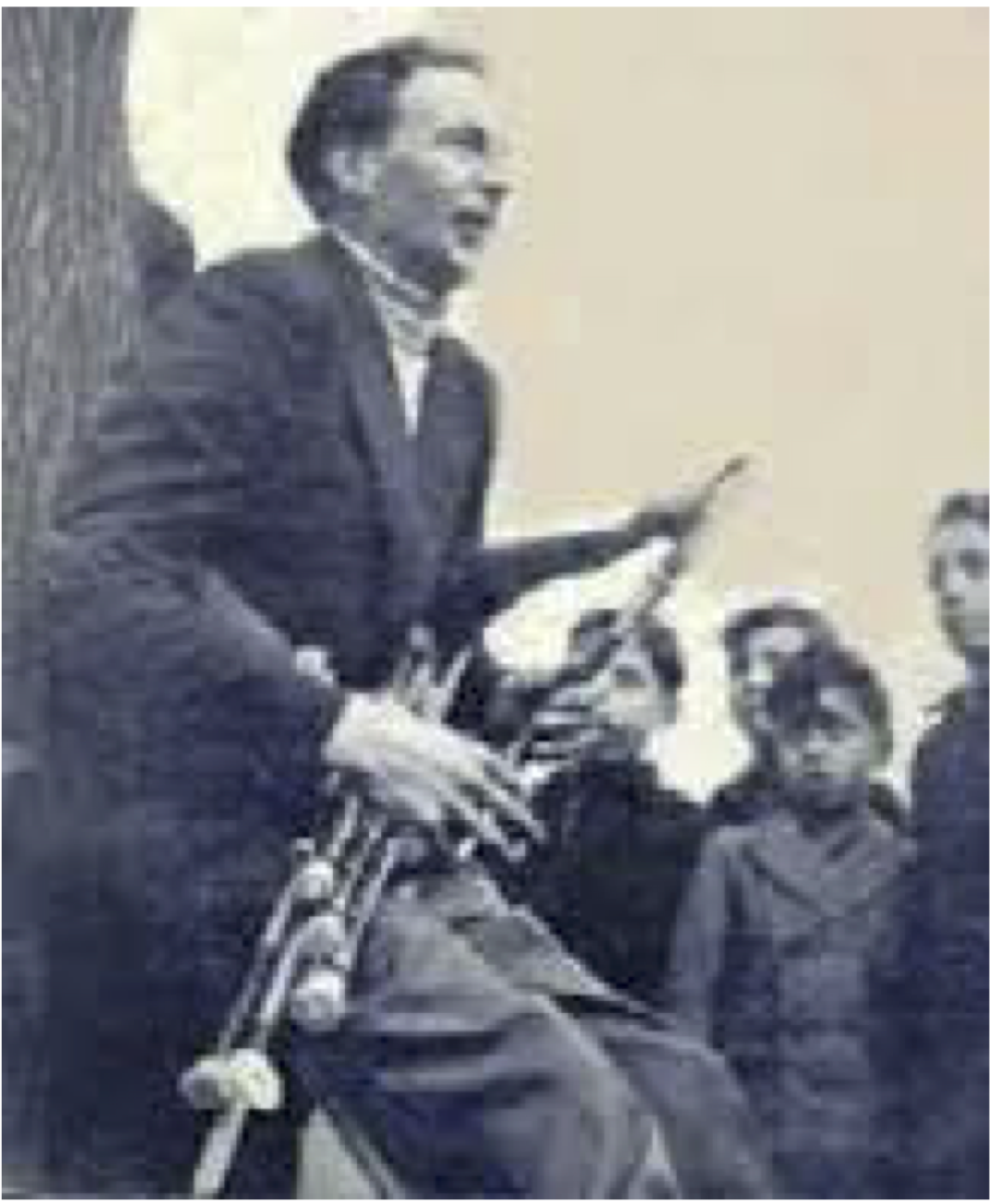]] * Seamus Ennis * Great uilleann piper (also tinwhistle) * Son of renowned piper James Ennis * Important Irish folklorist at Radio Éireann, later BBC --- # Traditional styles .image-40[.image-float-right[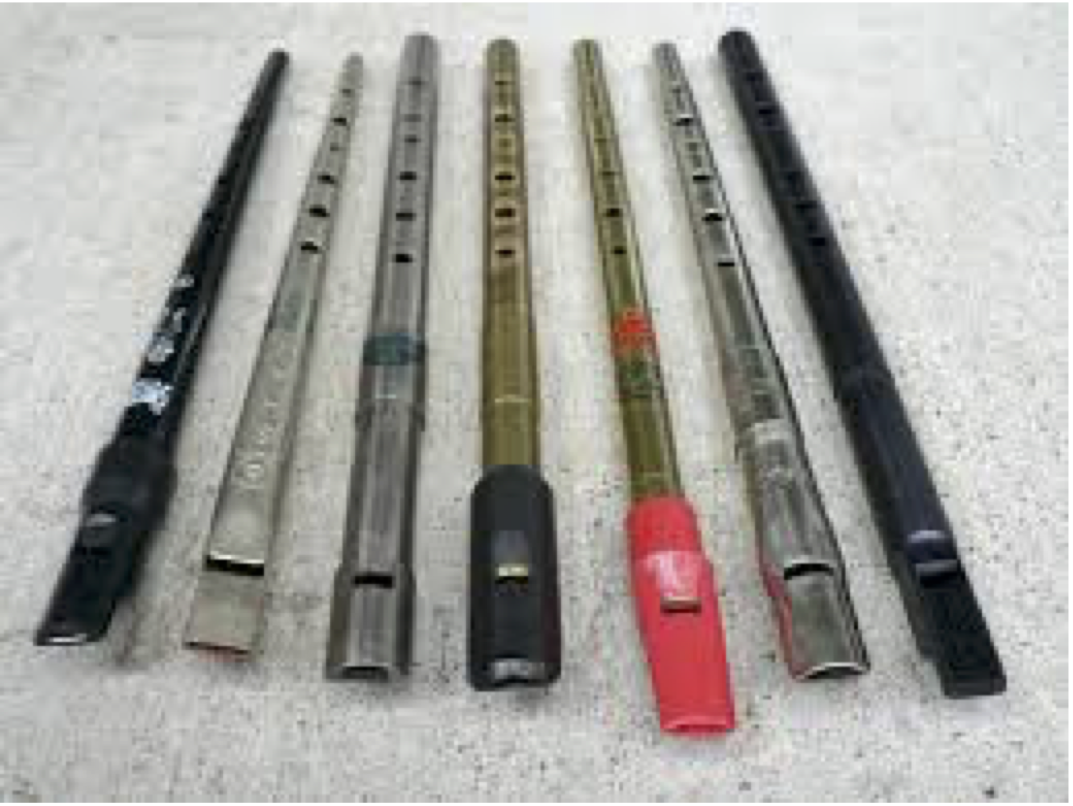]] * “Cuckoo’s Hornpipe” * AABB form * Hornpipe rhythm * Varied repetitions * Ornamentation * Style primer! * Reel: duple subdivision * Jig: triple subdivision * Hornpipe: “CO-ca CO-la” .center[<audio controls="controls"> <source src="/assets/cuckoo-hornpipe.m4a" type="audio/mpeg"> </audio>] --- # Let's play a game! Hornpipe, reel, or jig? .center[ <audio controls="controls"> <source src="/assets/browns-hornpipe.mp3" type="audio/mpeg"> </audio> Margaret McNiff: “Brown’s [?]” <audio controls="controls"> <source src="/assets/a-christmas-jig-mouth-of-the-tobique-reel.m4a" type="audio/mpeg"> </audio> Yo Yo Ma, Natalie McMaster: "A Christmas [?]" and "Mouth Of The Tobique [?]" (at 1:20ish) <audio controls="controls"> <source src="/assets/fair-dancer-reel.m4a" type="audio/mpeg"> </audio> Yo Yo Ma, Mark O’Connor, and Edgar Meyer: "Fair Dancer [?]" <audio controls="controls"> <source src="/assets/medley-of-reels.mp3" type="audio/mpeg"> </audio> L.P. Baxter and Henry Ford’s Old Fashioned Dance Orchestra: "Medley of [?]s" ] --- class: middle, center .center[ <!-- <video width="560" height="360" controls> <source src="/assets/ennis-morning-thrush.mp4" type="video/mp4"> <source src="/assets/ennis-morning-thrush.ogv" type="video/ogg"> </video> --> <iframe width="560" height="315" src="https://www.youtube.com/embed/lLe9etQ0iwQ?si=jRaJXh6weyunhHEG" title="YouTube video player" frameborder="0" allow="accelerometer; autoplay; clipboard-write; encrypted-media; gyroscope; picture-in-picture; web-share" referrerpolicy="strict-origin-when-cross-origin" allowfullscreen></iframe> ] ### Seamus Ennis: "The Morning Thrush" (reel) --- # Neo-Traditional revival * Traditional music decline through 1950s * 1960s brought musical revival (along with economic upturn), as well as musical transformations * More formal, structured * Guitar and other chordal instruments added to traditional insts. (fiddle, flute, tinwhistle, uillean pipes) * Professionalism * Competitions (*fleadhs*) * Move away from dancing to dance tunes * Increasing commodification overall: from domestic gatherings to pubs, concert halls, festivals, etc --- # Seán Ó Riada and Ceoltóirí Chualann * Cool-Tory Cool-Ann * More progressive counterpart to Ennis * Ceoltóirí Chualann * All-star band with piano, bodhrán, even harpsichord * Helped revive popularity of the uilleann pipes * Uilleann piper: Paddy Moloney, 1963 formed and lead the Chieftains with other members of Ceoltóirí .image-float-right[.image-50[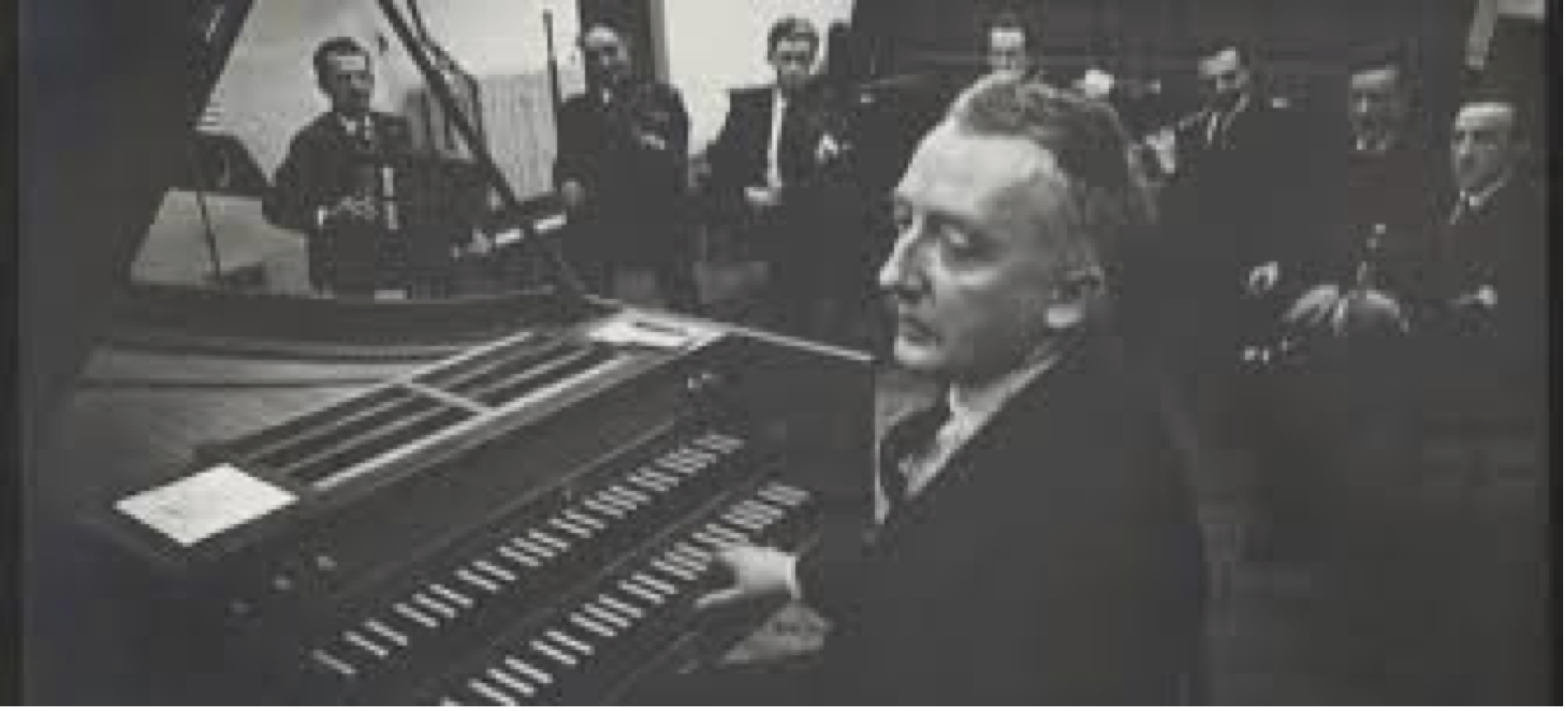]] <audio controls="controls"> <source src="/assets/ceoltoiri-chualann.m4a" type="audio/mpeg"> </audio> --- class: middle, center .center[ <iframe width="560" height="315" src="https://www.youtube.com/embed/NhpybB6lfcc?si=4q0gDXyNCzrM8DOS" title="YouTube video player" frameborder="0" allow="accelerometer; autoplay; clipboard-write; encrypted-media; gyroscope; picture-in-picture; web-share" referrerpolicy="strict-origin-when-cross-origin" allowfullscreen></iframe> <!-- <video width="560" height="360" controls> <source src="/assets/bodhran-solo.mp4" type="video/mp4"> <source src="/assets/bodhran-solo.ogv" type="video/ogg"> </video> --> ] ### Bodhran solo by Josselin Fournel --- # The Chieftains * Best-known Irish traditional music group * “The Dingle Set” * Medley of three reels: “Far From Home” (AABB), “Gladstone” (AB) “The Scartaglen” (AB) * Instruments * Tinwhistle and uilleann pipes (Moloney) * Fiddles (incl. guest Ashley MacIsaac) * Irish wooden flute * Irish harp, accordion, concertina, banjo, bodhrán * International ambassadors of Irish music * Many, many collaborations... for example: Mick Jagger, Ziggy Marley, Ricky Scaggs, Luciano Pavarotti --- class: middle, center .center[ <iframe width="560" height="315" src="https://www.youtube.com/embed/ejS7VwClddw?si=B4VToLcyZeWlhtR8" title="YouTube video player" frameborder="0" allow="accelerometer; autoplay; clipboard-write; encrypted-media; gyroscope; picture-in-picture; web-share" referrerpolicy="strict-origin-when-cross-origin" allowfullscreen></iframe> <!-- <video width="560" height="360" controls> <source src="/assets/chieftains-dingle-set.mp4" type="video/mp4"> <source src="/assets/chieftains-dingle-set.ogv" type="video/ogg"> </video> --> ] ### The Chieftains: “The Dingle Set” <!-- class: middle, center .center[<video width="560" height="360" controls> <source src="/assets/skaggs-and-chieftains.mp4" type="video/mp4"> <source src="/assets/skaggs-and-chieftains.ogv" type="video/ogg"> </video>] ### Ricky Skaggs & The Chieftains: "Get Along Home Cindy" --- --> --- class: middle, center .center[ <iframe width="560" height="315" src="https://www.youtube.com/embed/ZHe-n1Cigm4?si=ykHRyCTCsXNJH8dT" title="YouTube video player" frameborder="0" allow="accelerometer; autoplay; clipboard-write; encrypted-media; gyroscope; picture-in-picture; web-share" referrerpolicy="strict-origin-when-cross-origin" allowfullscreen></iframe> <!-- <video width="560" height="360" controls> <source src="/assets/marley-and-chieftains.mp4" type="video/mp4"> <source src="/assets/marley-and-chieftains.ogv" type="video/ogg"> </video> --> ] ### Ziggy Marley & The Chieftains: "Redemption Song" --- # 1970s, another revival... * Second generation of Irish music revival * New generation of Irish musicians who * Grew up with other music: rock, jazz, classical * Fused these with Irish traditional music * Carried on songs, dance tunes, and performance traditions of Irish forebears * Often had close relationships with the older musicians (e.g., Seamus Ennis and Planxty piper Liam O’Flynn) * Iconic bands * Planxty, Clannad, Bothy Band, De Danaan, Horslips --- # 1970s, another revival... * "Modern" sound through instrumentation... * Combining traditional and chordal accompaniments * Chordal instruments include guitar, Irish bouzouki and others—stylistic elements from jazz, rock, flamenco * Drums, other percussion instruments (e.g., conga) * ...and other influences * Traditional rhythms (like the reel) enhanced by jazz, rock, Latin, African, Balkan rhythms * But, increasing separation of dance tunes from dancing… * Though dance revivals also appeared in theatrical productions like Riverdance --- class: middle, center .center[ <iframe width="560" height="315" src="https://www.youtube.com/embed/qkRD2sjBmGs?si=akg3UDMi9GNmJQGr" title="YouTube video player" frameborder="0" allow="accelerometer; autoplay; clipboard-write; encrypted-media; gyroscope; picture-in-picture; web-share" referrerpolicy="strict-origin-when-cross-origin" allowfullscreen></iframe> <!-- <video width="560" height="360" controls> <source src="/assets/planxty-late-show.mp4" type="video/mp4"> <source src="/assets/planxty-late-show.ogv" type="video/ogg"> </video> --> ### Planxty: "The Blacksmith" ] --- # Range of sounds * A fairly traditional aesthetic * Atlan’s medley: “The Emyvale/Ril Gan Ainm/The Three Merry Sisters Of Fate” .center[<audio controls="controls"> <source src="/assets/altan.m4a" type="audio/mpeg"> </audio> ] * A rock side of this fusion * Horslips: “King of the Fairies” (1973) .center[ <iframe width="300" height="200" src="https://www.youtube.com/embed/TtQJZPHt7cM?si=nHzQTWqVOTffVoBU" title="YouTube video player" frameborder="0" allow="accelerometer; autoplay; clipboard-write; encrypted-media; gyroscope; picture-in-picture; web-share" referrerpolicy="strict-origin-when-cross-origin" allowfullscreen></iframe> <!-- <video width="300" height="200" controls> <source src="/assets/horslips-king-of-the-fairies.mp4" type="video/mp4"> <source src="/assets/horslips-king-of-the-fairies.ogv" type="video/ogg"> </video> --> ] --- # Another revival? Post-traditional? .image-40[.image-float-right[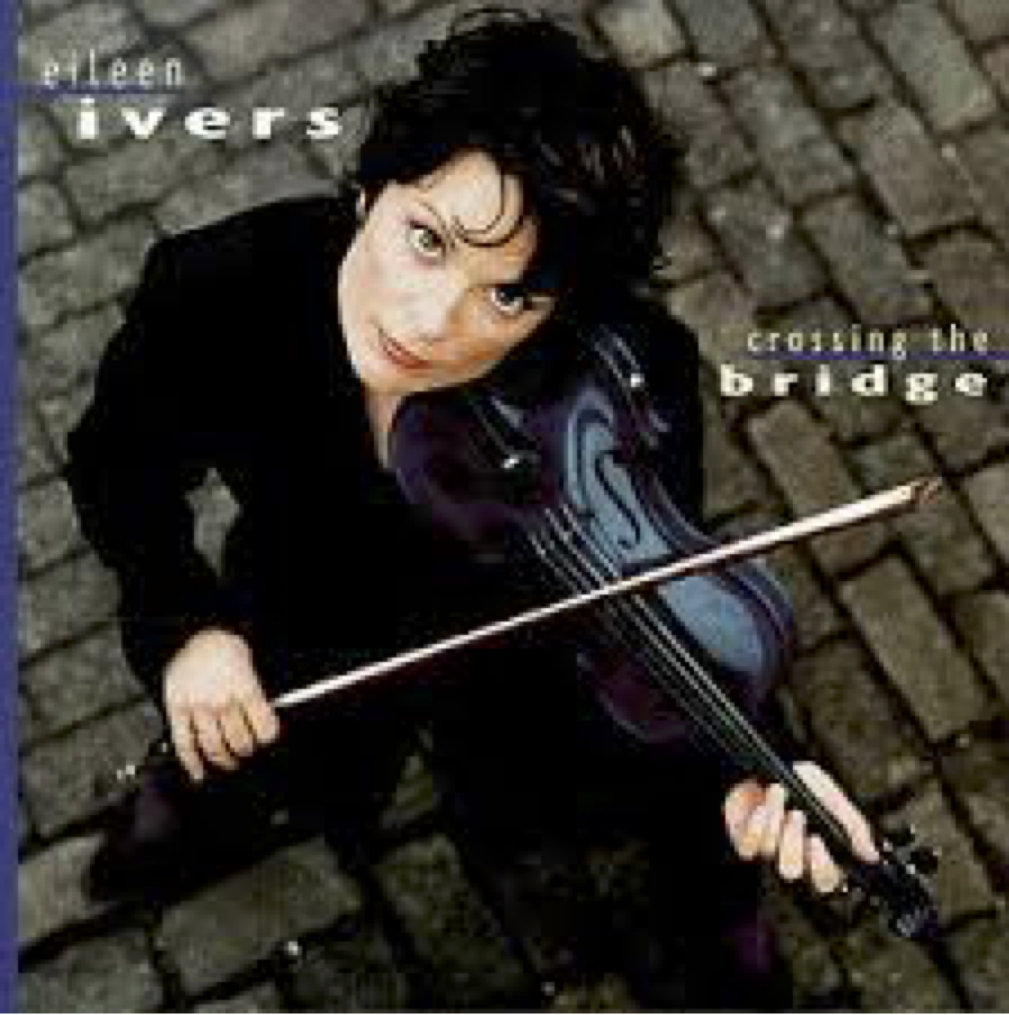]] * Eileen Ivers * Not from Ireland, but NYC (diaspora) * Won multiple major fiddling competitions * Original fiddler in Riverdance * Innovations * Approach as electric violinist, composer, and bandleader * Yet fully anchored in Irish tradition * Played with everyone from Chieftains to London Symphony --- class: middle, center .center[ <iframe width="560" height="315" src="https://www.youtube.com/embed/HHNZuj6U8jo?si=ruubH_-96SaeSTfK" title="YouTube video player" frameborder="0" allow="accelerometer; autoplay; clipboard-write; encrypted-media; gyroscope; picture-in-picture; web-share" referrerpolicy="strict-origin-when-cross-origin" allowfullscreen></iframe> <!-- <video width="560" height="360" controls> <source src="/assets/riverdance.mp4" type="video/mp4"> <source src="/assets/riverdance.ogv" type="video/ogg"> </video> --> ### Scene from *Riverdance* (1996) ] --- class: middle, center .center[ <iframe width="560" height="315" src="https://www.youtube.com/embed/ofKcN1a8ObM?si=UbcYxUZU2kwxUXwT&start=81" title="YouTube video player" frameborder="0" allow="accelerometer; autoplay; clipboard-write; encrypted-media; gyroscope; picture-in-picture; web-share" referrerpolicy="strict-origin-when-cross-origin" allowfullscreen></iframe> <!-- <video width="560" height="360" controls> <source src="/assets/ivers-and-band.mp4" type="video/mp4"> <source src="/assets/ivers-and-band.ogv" type="video/ogg"> </video> --> ### Eileen Ivers & Seumas Egan Band with John Doyle ] --- class: title, center, middle # Irish Traditions and Revivals  ### Christopher Witulski, Ph.D. ### College of Musical Arts