class: title, center, middle # Banjo lessons  ### Christopher Witulski, Ph.D. ### College of Musical Arts --- # Diaspora * Geographically dispersed * There is a homeland, but the community is not there (Palestine, Jewish communities) * The *Black Atlantic* (Paul Gilroy, 1993) * Homeland is not the central defining factor * Instead, hybridity is the experience of the slave trade * Forced migration severed (or at least dramatically hindered) a connection --- class: middle, center .image-100[] --- # Diaspora * Geographically dispersed * There is a homeland, but the community is not there (Palestine, Jewish communities) * The *Black Atlantic* (Paul Gilroy, 1993) * Homeland is not the central defining factor * Instead, hybridity is the experience of the slave trade * Forced migration severed (or at least dramatically hindered) a connection * “Double consciousness” * Striving to be both African and European/American --- # Slavery in the Caribbean * “Diversity of the enslaved” * From many parts of Africa * Institution of slavery creates racial homogeneity * What does this mean? What happens? -- * Inventing “Africa” * Shared experience of the Middle Passage * Knew of music’s social and ritual importance * “From their diverse experiences in Africa, they fashioned something new, assembled out of past practices but repurposed in a new environment.” (DuBois, 52) --- # The Banjo * Familiar to all * But not specific to any particular tradition * According to Dubois: “the first African instrument” * First sightings in the late 1600s * Father Larbat’s descriptions of the *calenda* in Guadeloupe and Martinique * Legal prohibitions of dance in the colonies * Communities are already “creolized”: older generations, original settlers, new arrivals --- .image-50[.image-float-right[]] # The Banjo * Larbat’s *calenda* * Drums, violin, and a “kind of guitar” * Definitely “not agreeable” * Construction * Half of a calabash covered with leather * Long (probably flat) neck * Four strings of silk, agave filament, or dried intestines * Played by “pinching and beating the strings” --- # The Banjo * Hans Sloane’s collections * From his time in Jamaica and gifts from others * Basis for the British Museum (1753) * Included: 300 dried plants (including cocoa), a bullet from the maroons, “some tissue from the vagina of a slave girl” (60) * Transcriptions from “Mr. Baptiste” * <http://www.musicalpassage.org/> * Koromanti: from modern-day Ghana * Angola: Central Africa * Papa: maybe Benin? --- class: middle, center .image-80[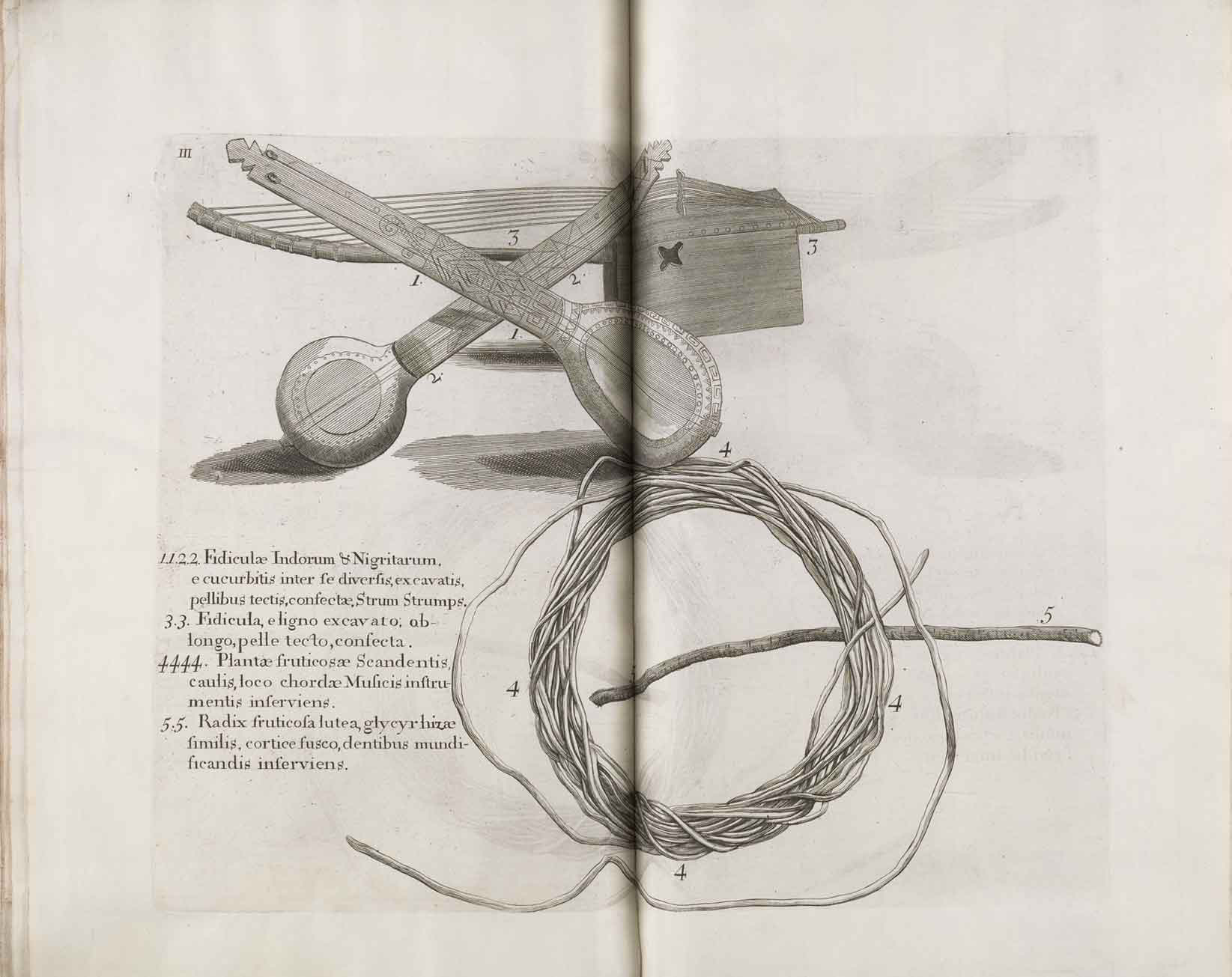] ## 1701: “Strum strumps” --- # In North America .image-40[.image-float-right[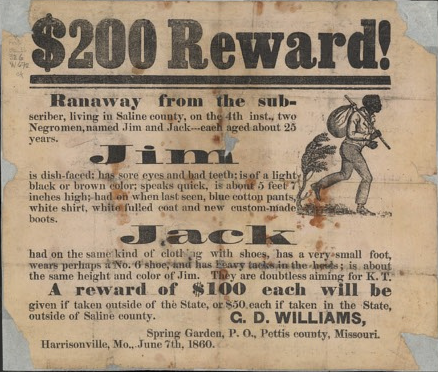]] * 1736: Banjo taken for granted in writing from the North * The “shocking” holiday celebration * 1756: Rhode Island electioneering * Runaway postings * Newspaper advertisements * Often mention instruments * Violin, banjo, fife, drums * Clothing, especially suits * Irony of “human” descriptions * Legal cases * Dread Scott, 1857: slaves residing in free states were not entitled to freedom, African Americans could never be US citizens --- class: middle, center .image-100[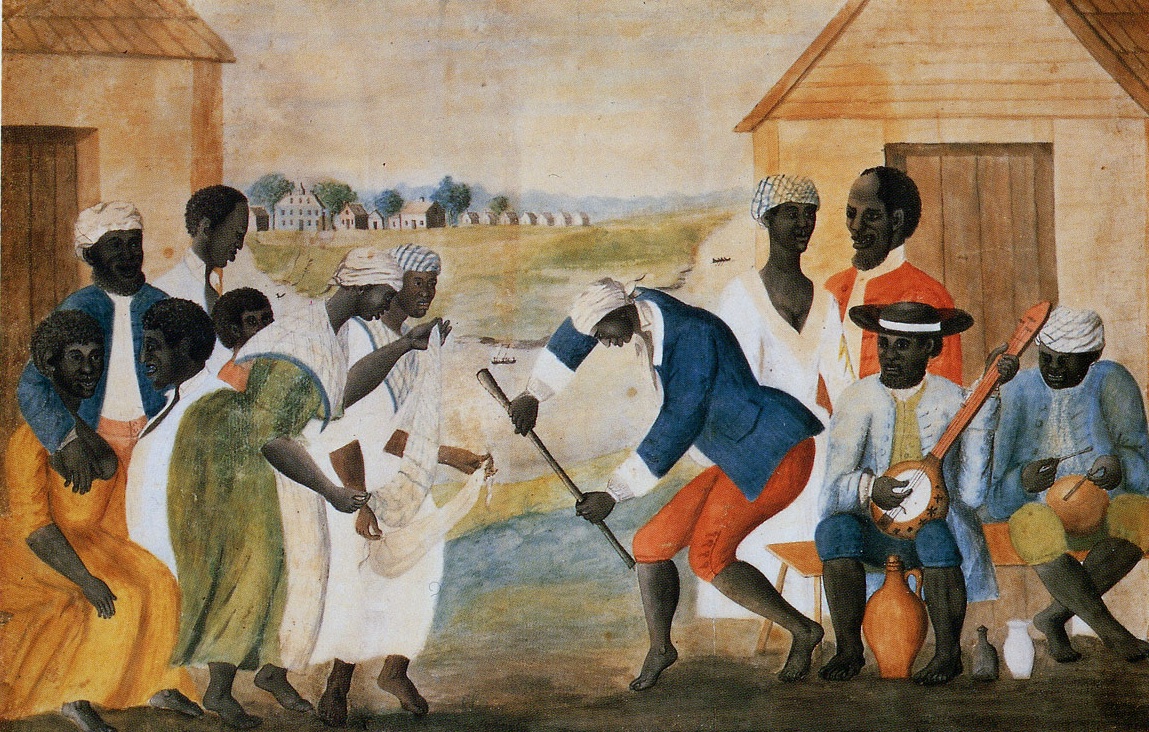] ## John Rose (SC slaveowner): “The Old Plantation”, late 1700s --- class: middle, center .image-90[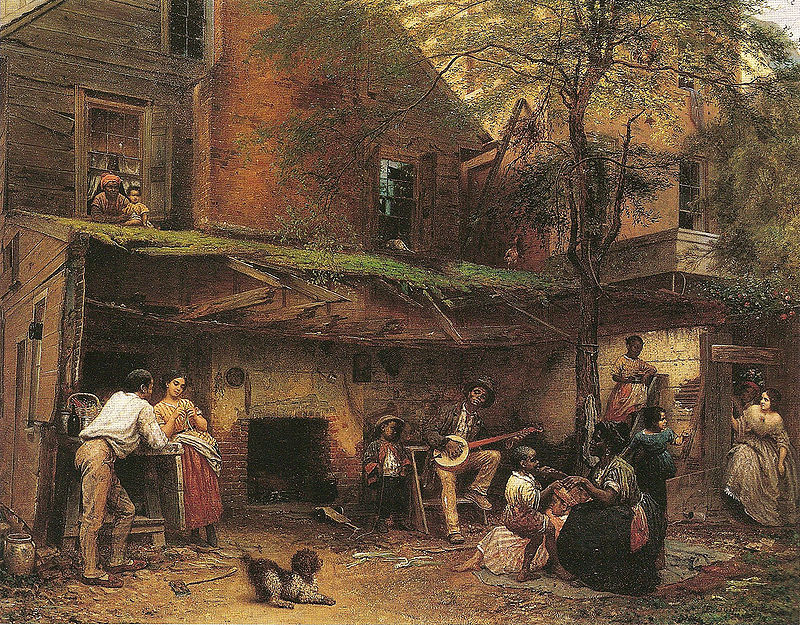] ## Eastman Johnson: Negro Life at the South (1859) --- .image-40[.image-float-right[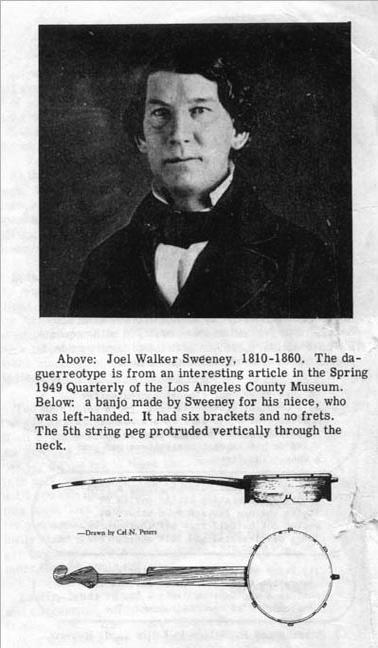]] # So what happened? * Minstrelsy * Became the central instrument for blackface minstrelsy and other popular musics * Joel Walker Sweeny * Lived 1810-1860 * Added a fifth string * Hugely popular --- .image-40[.image-float-right[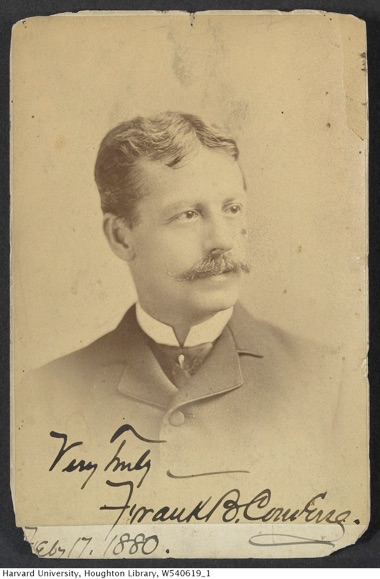]] # So what happened? * Frank B Converse * Made the banjo… “scientific” * And analytical! * Wide popularity * Cheaper than a piano! * Civil War era publications including methods “without a master” * Continued through late 1800s --- class: middle, center <iframe width="560" height="315" src="https://www.youtube.com/embed/8QKcsge6zuE?si=_hwfquDjkmly9oQy&start=13" title="YouTube video player" frameborder="0" allow="accelerometer; autoplay; clipboard-write; encrypted-media; gyroscope; picture-in-picture; web-share" referrerpolicy="strict-origin-when-cross-origin" allowfullscreen></iframe> <!-- <video width="560" height="360" controls> <source src="/assets/carolina-chocolate-drops-corn-shucking-jig.mp4" type="video/mp4"> <source src="/assets/carolina-chocolate-drops-corn-shucking-jig.ogv" type="video/ogg"> </video> --> ### Carolina Chocolate Drops: “Brigg’s Corn Shuckin’ Jig” --- # History/Sources * Thinking about your sources * *Brigg’s Banjo Tutor*: read preface --- class: middle, center .image-100[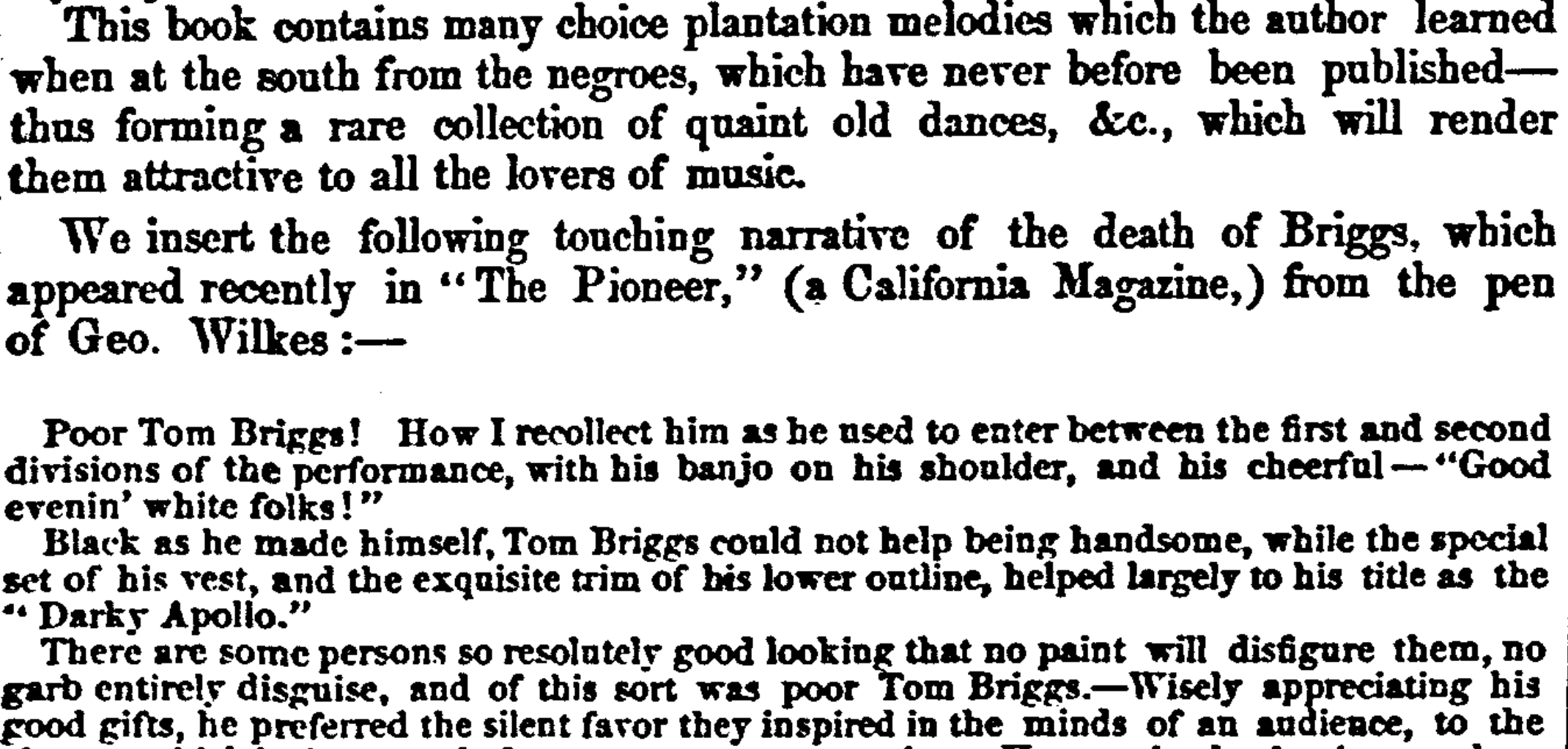] ## Excerpt from *Briggs Banjo Tutor* preface (1855) --- # History/Sources * Thinking about your sources * *Brigg’s Banjo Tutor*: read preface * Converse: consider what “Analytical” means here * This is not a case of cherry-picking race issues to rewrite history: it’s about recognizing what was there and what has been missing from the story -- * Soon after, we start to see recordings * Was just paintings and descriptions * Hillbilly, jazz, (white) gospel, bluegrass, folk revival, old time… * But what gets recorded and what is left out? --- class: middle, center <iframe width="560" height="315" src="https://www.youtube.com/embed/scROPDk8VdA?si=BPh8h6KtZx5qGqbK" title="YouTube video player" frameborder="0" allow="accelerometer; autoplay; clipboard-write; encrypted-media; gyroscope; picture-in-picture; web-share" referrerpolicy="strict-origin-when-cross-origin" allowfullscreen></iframe> <!-- <video width="560" height="360" controls> <source src="/assets/aaron-jonah-lewis-ragtime-oriole.mp4" type="video/mp4"> <source src="/assets/aaron-jonah-lewis-ragtime-oriole.ogv" type="video/ogg"> </video> --> ### Aaron Jonah Lewis, "Banjo Frolic" --- class: middle, center .image-70[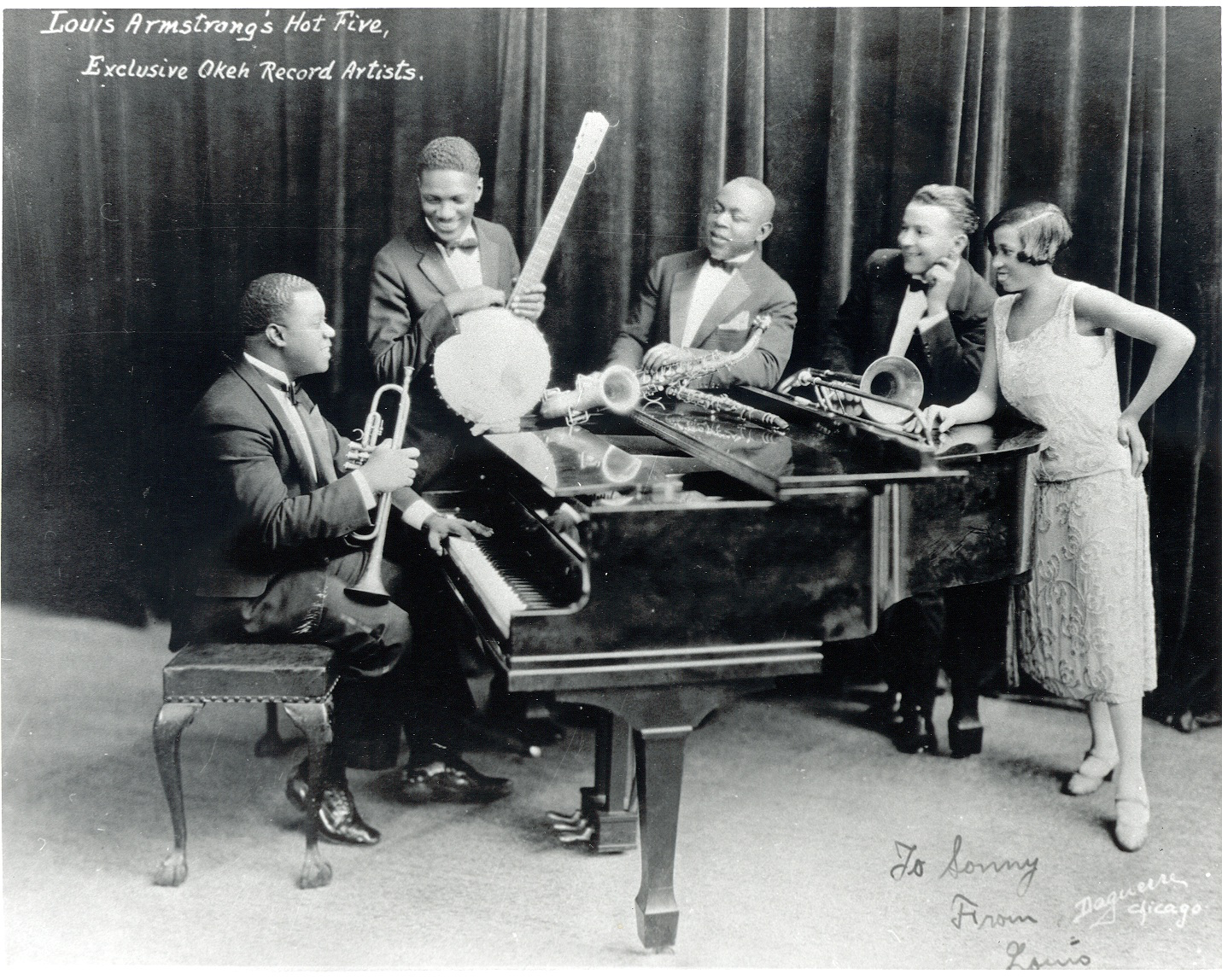] <audio controls> <source src="/assets/muskrat-rumble.m4a" type="audio/mpeg"> </audio> ### Johnny St. Cyr withThe Hot Fives: “Muskrat Ramble” (1926) --- class: middle, center <iframe width="560" height="315" src="https://www.youtube.com/embed/gicjw5n92qQ?si=Vd6CoYBYBFXroHLt&start=13" title="YouTube video player" frameborder="0" allow="accelerometer; autoplay; clipboard-write; encrypted-media; gyroscope; picture-in-picture; web-share" referrerpolicy="strict-origin-when-cross-origin" allowfullscreen></iframe> <!-- <video width="560" height="360" controls> <source src="/assets/uncle-dave-macon-take-me-back.mp4" type="video/mp4"> <source src="/assets/uncle-dave-macon-take-me-back.ogv" type="video/ogg"> </video> --> ### Uncle Dave Macon: “Take Me Back to my NC Home” --- class: middle, center <iframe width="560" height="315" src="https://www.youtube.com/embed/Vf43lUsqnHw?si=HY17j4uWXY8HXSJo" title="YouTube video player" frameborder="0" allow="accelerometer; autoplay; clipboard-write; encrypted-media; gyroscope; picture-in-picture; web-share" referrerpolicy="strict-origin-when-cross-origin" allowfullscreen></iframe> <!-- <video width="560" height="360" controls> <source src="/assets/dom-flemons-mikwaukee-blues.mp4" type="video/mp4"> <source src="/assets/dom-flemons-mikwaukee-blues.ogv" type="video/ogg"> </video> --> ### Dom Flemons, "Milwaukee Blues" (2013) --- class: middle, center <iframe width="560" height="315" src="https://www.youtube.com/embed/C4CtLA1jC20?si=Pn9-54qYrsX3p25x&start=13" title="YouTube video player" frameborder="0" allow="accelerometer; autoplay; clipboard-write; encrypted-media; gyroscope; picture-in-picture; web-share" referrerpolicy="strict-origin-when-cross-origin" allowfullscreen></iframe> <!-- <video width="560" height="360" controls> <source src="/assets/stanley-brothers-worried-man-blues.mp4" type="video/mp4"> <source src="/assets/stanley-brothers-worried-man-blues.ogv" type="video/ogg"> </video> --> ### Stanley Brothers: “Worried Man Blues” --- class: middle, center <iframe width="560" height="315" src="https://www.youtube.com/embed/zDgYN5qeG4Y?si=CLDf6n5uIaOiSTPc" title="YouTube video player" frameborder="0" allow="accelerometer; autoplay; clipboard-write; encrypted-media; gyroscope; picture-in-picture; web-share" referrerpolicy="strict-origin-when-cross-origin" allowfullscreen></iframe> <!-- <video width="560" height="360" controls> <source src="/assets/flatt-scruggs-roll-in-my-sweet-babys-arms.mp4" type="video/mp4"> <source src="/assets/flatt-scruggs-roll-in-my-sweet-babys-arms.ogv" type="video/ogg"> </video> --> ### Lester Flatt & Earl Scruggs: “Roll in my Sweet Baby’s Arms” --- class: middle, center <iframe width="560" height="315" src="https://www.youtube.com/embed/VucczIg98Gw?si=kFDE9EacEFIj-yvl" title="YouTube video player" frameborder="0" allow="accelerometer; autoplay; clipboard-write; encrypted-media; gyroscope; picture-in-picture; web-share" referrerpolicy="strict-origin-when-cross-origin" allowfullscreen></iframe> <!-- <video width="560" height="360" controls> <source src="/assets/pete-seeger-riverside.mp4" type="video/mp4"> <source src="/assets/pete-seeger-riverside.ogv" type="video/ogg"> </video> --> ### Pete Seeger: "What did you learn in school today?" (1964, written by Tom Paxton) --- class: middle, center <iframe width="560" height="315" src="https://www.youtube.com/embed/n-sQSp5jbSQ?si=kSpFtCJu4jvW8aea" title="YouTube video player" frameborder="0" allow="accelerometer; autoplay; clipboard-write; encrypted-media; gyroscope; picture-in-picture; web-share" referrerpolicy="strict-origin-when-cross-origin" allowfullscreen></iframe> <!-- <video width="560" height="360" controls> <source src="/assets/pete-seeger-little-boxes.mp4" type="video/mp4"> <source src="/assets/pete-seeger-little-boxes.ogv" type="video/ogg"> </video> --> ### Pete Seeger: “Little Boxes” --- class: middle, center <iframe width="560" height="315" src="https://www.youtube.com/embed/5zdTVOwo_WM?si=I2eTYYHAgJToQ6IN" title="YouTube video player" frameborder="0" allow="accelerometer; autoplay; clipboard-write; encrypted-media; gyroscope; picture-in-picture; web-share" referrerpolicy="strict-origin-when-cross-origin" allowfullscreen></iframe> <!-- <video width="560" height="360" controls> <source src="/assets/joe-odell-thompson.mp4" type="video/mp4"> <source src="/assets/joe-odell-thompson.ogv" type="video/ogg"> </video> --> ### Joe and Odell Thompson: "Roll in my Sweet Baby's Arms" (1983) --- class: middle, center <iframe width="560" height="315" src="https://www.youtube.com/embed/Vvo1OP1OJ0c?si=mwQYQ9Wt1laimlis" title="YouTube video player" frameborder="0" allow="accelerometer; autoplay; clipboard-write; encrypted-media; gyroscope; picture-in-picture; web-share" referrerpolicy="strict-origin-when-cross-origin" allowfullscreen></iframe> <!-- <video width="560" height="360" controls> <source src="/assets/dink-roberts-fox-chase.mp4" type="video/mp4"> <source src="/assets/dink-roberts-fox-chase.ogv" type="video/ogg"> </video> --> ### Dink Roberts: "Roustabout" (short clip, 1983) --- # So what happened? * Access to the music industry * Widespread entertainment * Commercialized instruments * Different eras of fads * Politics * Especially in the 40s-60s, these white artists were on very different political paths… * Changing styles * Cheaper guitars, the blues, and race records leave the banjo behind for many African American artists --- # Old time (plus some) banjo styles - Blue ridge - Round peak - Three-finger - Ragtime - Jazz - More contemporary stuff --- class: middle, center <iframe width="560" height="315" src="https://www.youtube.com/embed/dIW28HUSf_o?si=wVYul6gwBlZLNIG0" title="YouTube video player" frameborder="0" allow="accelerometer; autoplay; clipboard-write; encrypted-media; gyroscope; picture-in-picture; web-share" referrerpolicy="strict-origin-when-cross-origin" allowfullscreen></iframe> <!-- <video width="560" height="360" controls> <source src="/assets/tommy-jarrell-fred-cockerham-1971.mp4" type="video/mp4"> <source src="/assets/tommy-jarrell-fred-cockerham-1971.ogv" type="video/ogg"> </video> --> ### Tommy Jarrell, "Reuben" (1983) --- class: middle, center <iframe width="560" height="315" src="https://www.youtube.com/embed/uMPFEXq1eSU?si=-0IcnsAD9GnQ6qbo&start=230" title="YouTube video player" frameborder="0" allow="accelerometer; autoplay; clipboard-write; encrypted-media; gyroscope; picture-in-picture; web-share" referrerpolicy="strict-origin-when-cross-origin" allowfullscreen></iframe> <!-- <video width="560" height="360" controls> <source src="/assets/jake-blount-tiny-desk.mp4" type="video/mp4"> <source src="/assets/jake-blount-tiny-desk.ogv" type="video/ogg"> </video> --> ### Jake Blount, "The Downward Road" (starts at 3:50), "Give up the World" (starts 14:30) (2023) --- class: middle, center <iframe width="560" height="315" src="https://www.youtube.com/embed/iuV1JyEnTmE?si=JDJx_DklJY2KfseQ" title="YouTube video player" frameborder="0" allow="accelerometer; autoplay; clipboard-write; encrypted-media; gyroscope; picture-in-picture; web-share" referrerpolicy="strict-origin-when-cross-origin" allowfullscreen></iframe> <!-- <video width="560" height="360" controls> <source src="/assets/noam-pikelny-waveland.mp4" type="video/mp4"> <source src="/assets/noam-pikelny-waveland.ogv" type="video/ogg"> </video> --> ### Noam Pikelny, "Waveland" (2017) --- class: title, center, middle # Banjo lessons  ### Christopher Witulski, Ph.D. ### College of Musical Arts